

Every Layer You Score Sits on One You Don't

Going to UNBOUND 2026? So are we. Fruition RevOps went through the agenda, and flagged the talks worth an agency’s time. The 5-Layer Marketing System, run by George B. Thomas of Sidekick Strategies, is one of them.

Going in? Read this first. The talk covers five layers. There’s a sixth it quietly assumes you already have, and it’s the one that decides whether the other five compound.

The 5-Layer Marketing System: Stop Chasing Tactics

When

Wed, Sep 16 · 11:00am to 12:30pm ET

Where

Room 104, Boston · Deep Dive

George B. Thomas, Owner, Sidekick Strategies

Growth stalls at the level of the system, long before it’s a tactics problem.
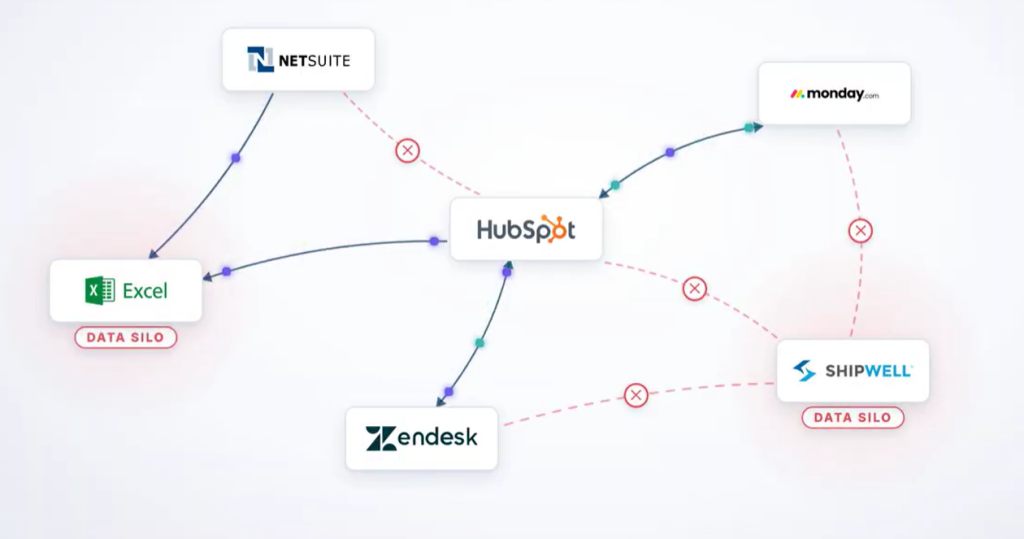
That’s the claim George B. Thomas opens the UNBOUND 2026 session on the 5-Layer Marketing System with, and most marketing leads feel it in their gut. Every year there are more tools to buy. The Marketing Technology Landscape, the industry’s annual count of every marketing software product on the market, reached 14,106 tools in 2024, up from about 150 when it was first mapped in 2011. More channels, more platforms, more dashboards, and somehow the growth curve flattens anyway.
An agency sees it from the outside more clearly than anyone. A client brings you in to fix the marketing, and the marketing already owns every tool it could want. What it’s missing is a system where those tools work together. Adding a sixth channel to a stack that doesn’t agree with itself just adds one more place for the numbers to split.
That’s the gap George B. Thomas built the 5-Layer Marketing System to close, a way to see the whole engine and fix the layer that’s actually holding it back instead of bolting on another tactic.

33%

of their martech stack’s capabilities is all marketers actually use, according to Gartner. In 2020 it was 58%.

The stack keeps growing. The share of it that works keeps shrinking.

The Five Layers, and the One Underneath

In the session you’ll learn the five layers behind a marketing engine that compounds. Then you score your own system against them. The scorecard rates each layer, so you can see which one is weakest and where the engine is actually leaking, and you leave with a 30-day plan aimed at that layer instead of the one that’s easiest to tinker with. It’s a working blueprint, and a good use of 90 minutes.

 
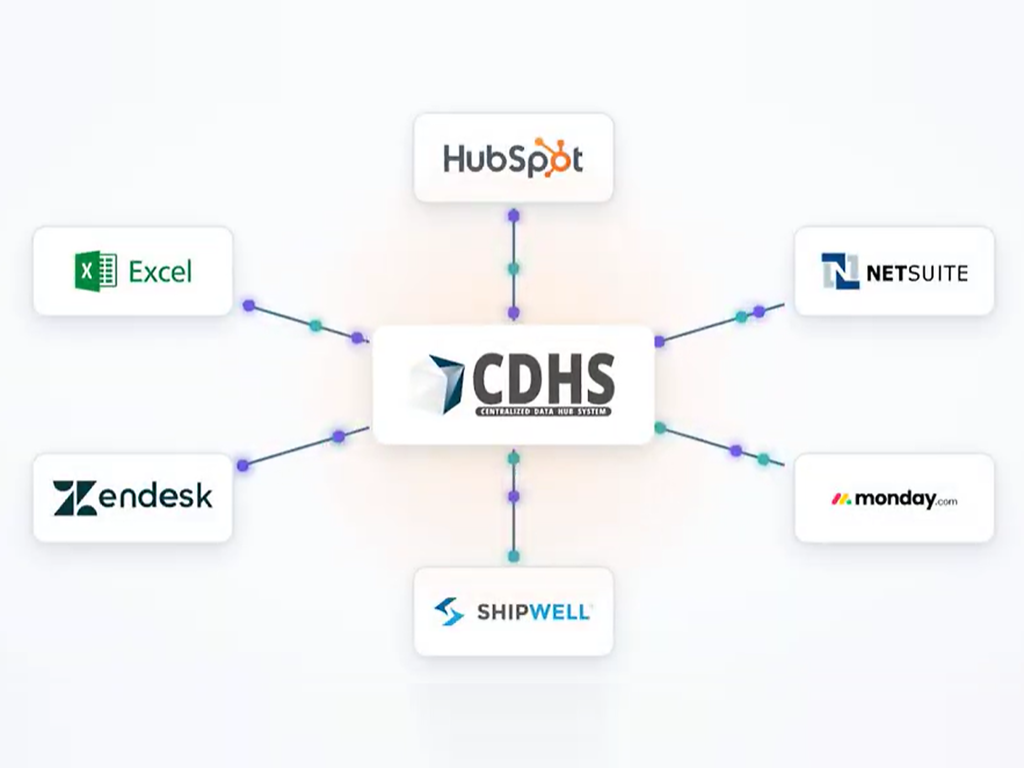
Every one of those five layers shares a hidden dependency. It only works if the data feeding it is correct. The audience layer is only as good as the list it targets. The measurement layer is only as good as the numbers it reads. Any AI you add on top inherits whatever those layers hand it.
 

That data is the layer under all five, and it’s the one thing the scorecard has no row for. You can rate all five layers a perfect score and still stall, because the scorecard measures how well you built each layer, not whether the customer data underneath them agrees. When it’s solid, every layer above it compounds the way the session promises. When your systems disagree about the same customer, the same engine compounds the errors just as fast, and no amount of work on the top five can fix a foundation that argues with itself.
When the Engine Stalls, They Blame Your Strategy

For an agency, this is where it gets personal. You design the system. You don’t own the data it runs on. The client does, spread across HubSpot, the ad platforms, the CRM, the billing tool, and a spreadsheet nobody admits to keeping.
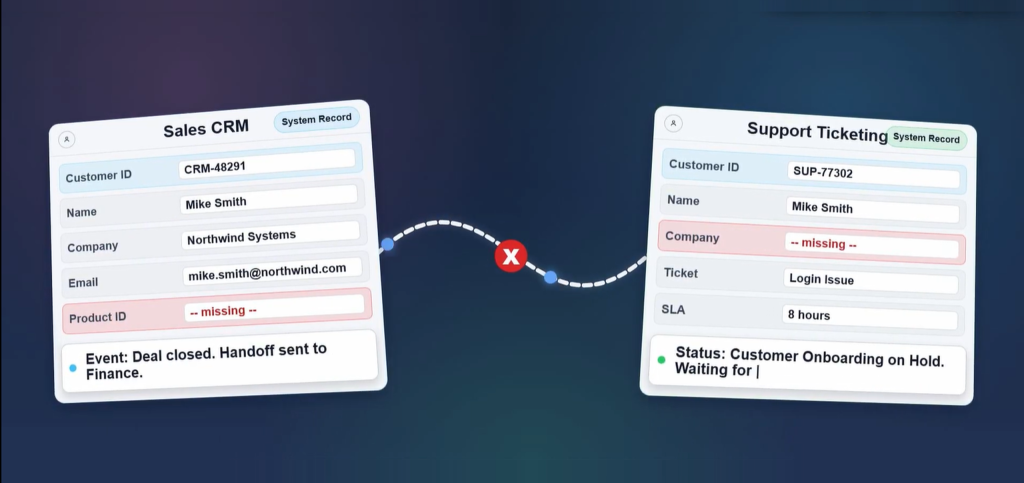
When those systems disagree about who the customer is, the engine you built starts acting on the wrong version. A campaign fires at a list that’s a quarter out of date. A report shows a number finance doesn’t recognize. The retargeting chases someone who already bought and churned.
From the outside, none of that looks like a data problem. It looks like your strategy underperforming. The client feels doubt about the work, and your agency spends unbilled hours reconciling numbers before the next review. The disagreement in the client’s data quietly becomes a question about your competence.

Where the Foundation Usually Cracks

The data layer under a client’s marketing system tends to break in a few predictable places. An agency that knows where to look can find them fast, and they rarely show up on a creative brief.
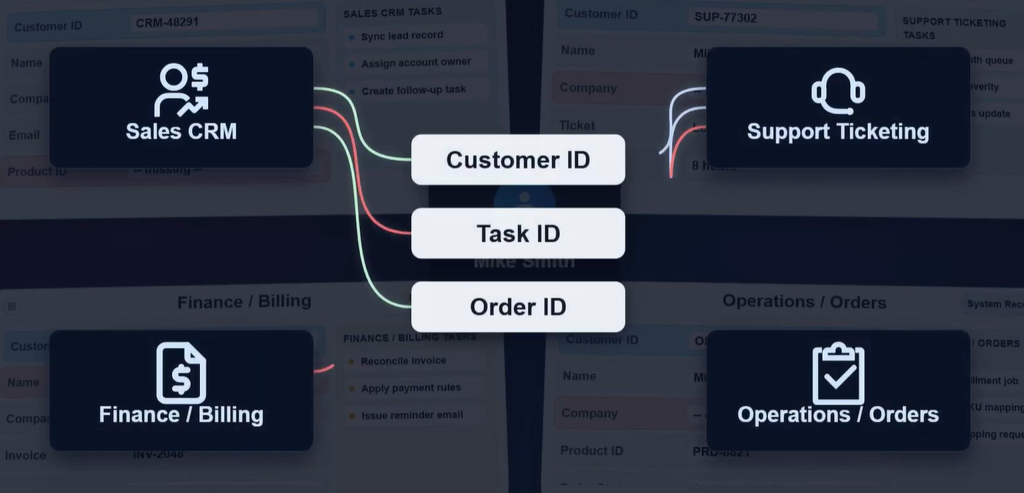
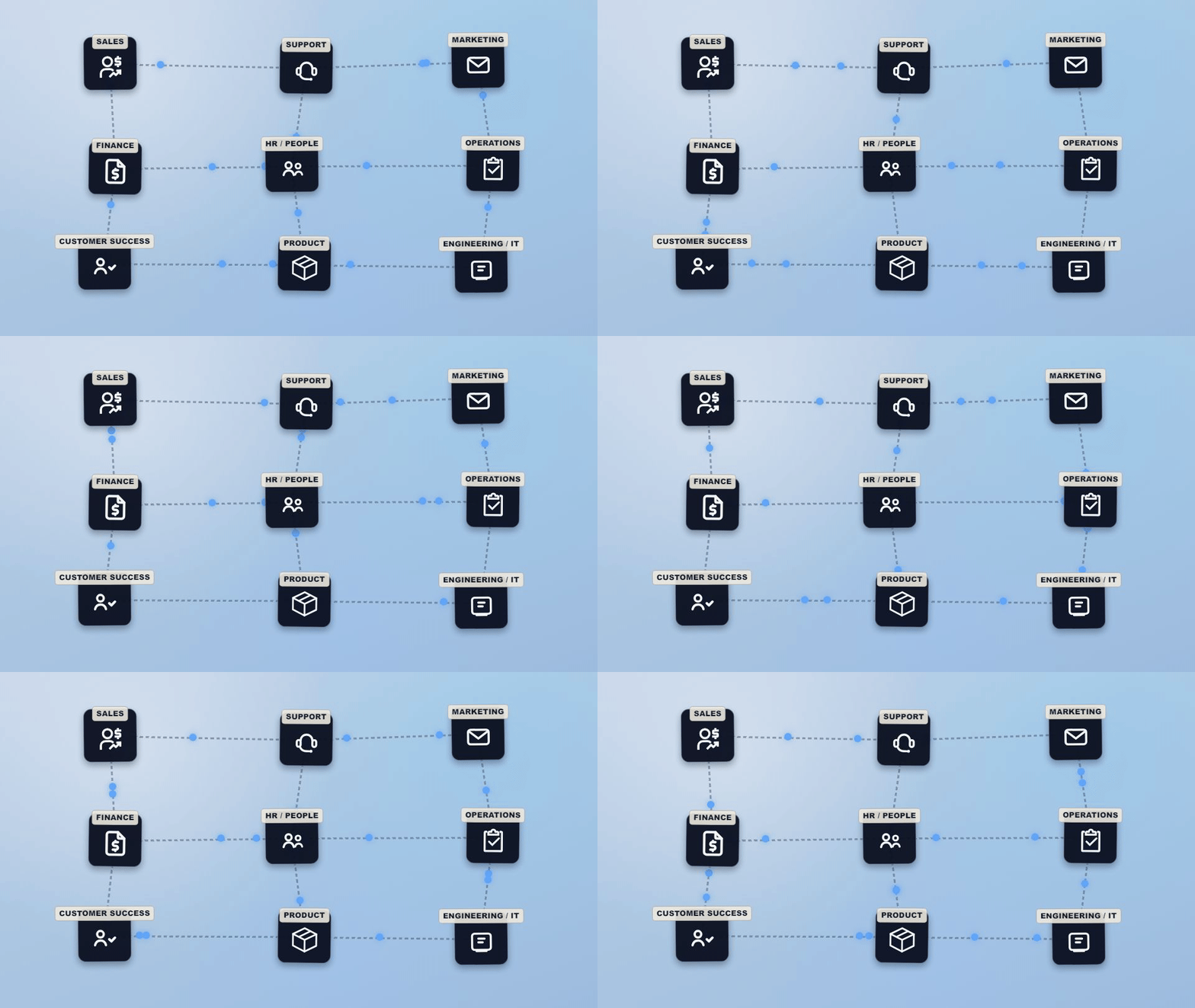
Duplicate and conflicting records. The same company or contact exists two or three times, each with a different owner, stage, or value. Every layer above quietly reads a different copy, so no two reports ever quite match.
Lifecycle drift. HubSpot says a contact is a customer, the CRM says prospect, the billing system says churned. The nurture, the lead scoring, and the reporting each act on a different version of the same person.
Attribution that never reconciles. The ad platform, the CRM, and finance each count the same revenue a different way, so the measurement layer can’t say which channel actually worked, only which one it happened to credit.
Data decay. Contacts change jobs, emails bounce, and companies restructure, while the list keeps firing at people who moved on. The channel layer looks busy right up until you notice how many of the sends land nowhere.

Build the Layer Under the System

Point an AI-driven engine at layers built on data the client’s systems agree on, and it compounds every good decision across the whole journey. Point it at siloed data, and it makes the wrong call faster and more often than a person would, in every channel at once.

So the layer under all five is a data one. Each field gets a single system that owns it. HubSpot owns the lifecycle stage. Finance owns the contract value. The ad platform never gets to overwrite either. Once ownership is settled, every layer above reads one version of the customer, and the AI on top finally has something solid to amplify. In data governance this is called a decision layer.

For an agency, that layer is a good place to stand. It’s infrastructure, so it lives under the strategy work you’re known for instead of competing with it. You deliver it under your own brand, and where a campaign ends when the plan is approved, a decision layer keeps running as long as the client does. Building that layer for agencies and the clients they serve is the work we do at Fruition RevOps.

Score the Layer the Scorecard Skips

You’re going to UNBOUND 2026 to build a marketing system that compounds. The 5-Layer session is the right place to start, and George knows how to make HubSpot actually work for the people using it. Meet us at UNBOUND. We’ll talk through what you’re handling for clients, where the same data problems keep coming back, and how other agencies have overcome them.

Fix the layer underneath, and every layer you build on top of it finally compounds.
© All Rights Reserved (C) Fruition Inc.
San Diego, CA. 92127

Schedule a Time with our Expert!

— Fill out the Form and let's meet —

Fill out the form below to book your meeting to get your HubSpot Audit Report.

Schedule a meeting
Your HubSpot Onboarding Plan.

** Schedule to have you High level plan for free.

Funnel Types List

Register and Get the Funnel List type

Provide you with a complete overview of the type of funnel and how to manage it. 

JOIN OUR LIVE EVENT!

Wednesday, October 18th
10AM (PST)

Webinar Topic: Fix the Leak with Streamline Your Revenue Path with RevOps Funnels. 
How to seamlessly guide prospects through your company’s journey,

  1. Utilize the Funnels in Revenue Operations
  2. How to Prevent Bleeding Prospects and Customers in Your Company’s Journey
  3. How to Automate the Process for Enhanced Efficiency

RevOps Knowledge Sharing!

Fill out the form below, and blogs, videos and content will come directly to your inbox.